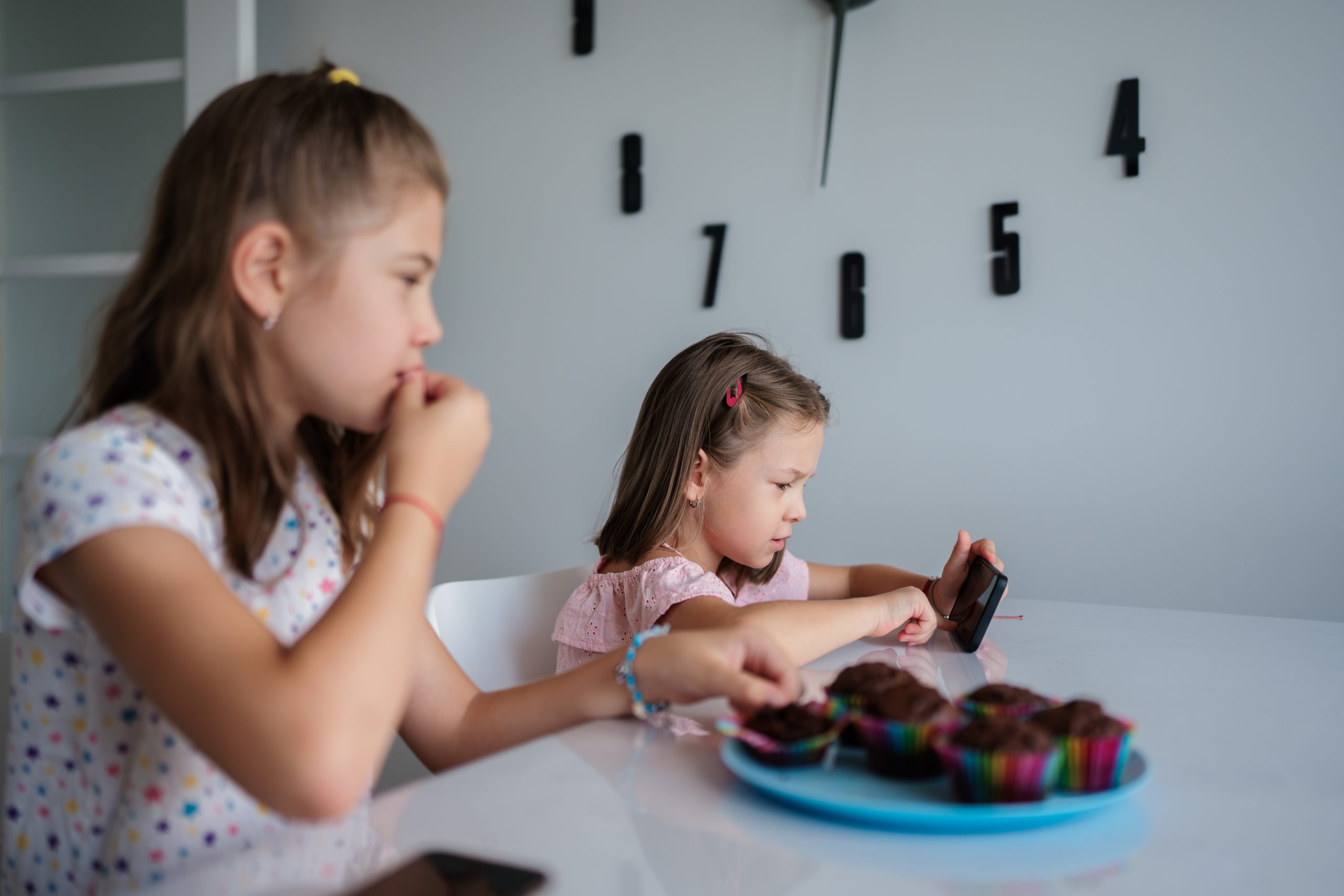

In Islam, gratitude isn’t just a feeling—it’s a way of life. One of the most powerful times to express thanks is during mealtimes, when we recognize the blessings of nourishment, family, and provision from Allah. Teaching children (and reminding ourselves) to approach meals with gratitude helps cultivate contentment, mindfulness, and a deeper connection to faith.
1. Start with “Bismillah”
Before eating, saying “Bismillah” (In the name of Allah) helps us pause, acknowledge where our food comes from, and set the intention to eat in a mindful, respectful way. Encourage your children to say it aloud, even if they forget at first—gentle reminders build habits.
2. End with “Alhamdulillah”
After the meal, saying “Alhamdulillah” (All praise is due to Allah) teaches appreciation. It’s a simple way to thank Allah for the food, the hands that prepared it, and the ability to eat it. Make it a family tradition, and children will begin to say it naturally.
3. Create Gratitude Rituals
Use mealtimes as moments to reflect. Go around the table and have each person share one thing they’re grateful for—whether it’s the meal, their health, or something kind that happened that day. This practice can spark positive conversation and boost emotional well-being.
4. Involve Kids in the Blessings
When children help prepare or serve meals, they become more aware of the effort behind food. This builds respect for the process and a stronger sense of appreciation.
Conclusion
Gratitude transforms meals into moments of worship and mindfulness. By encouraging simple practices like saying “Bismillah” and “Alhamdulillah,” and reflecting together as a family, you create a spiritually rich dining experience grounded in thankfulness.