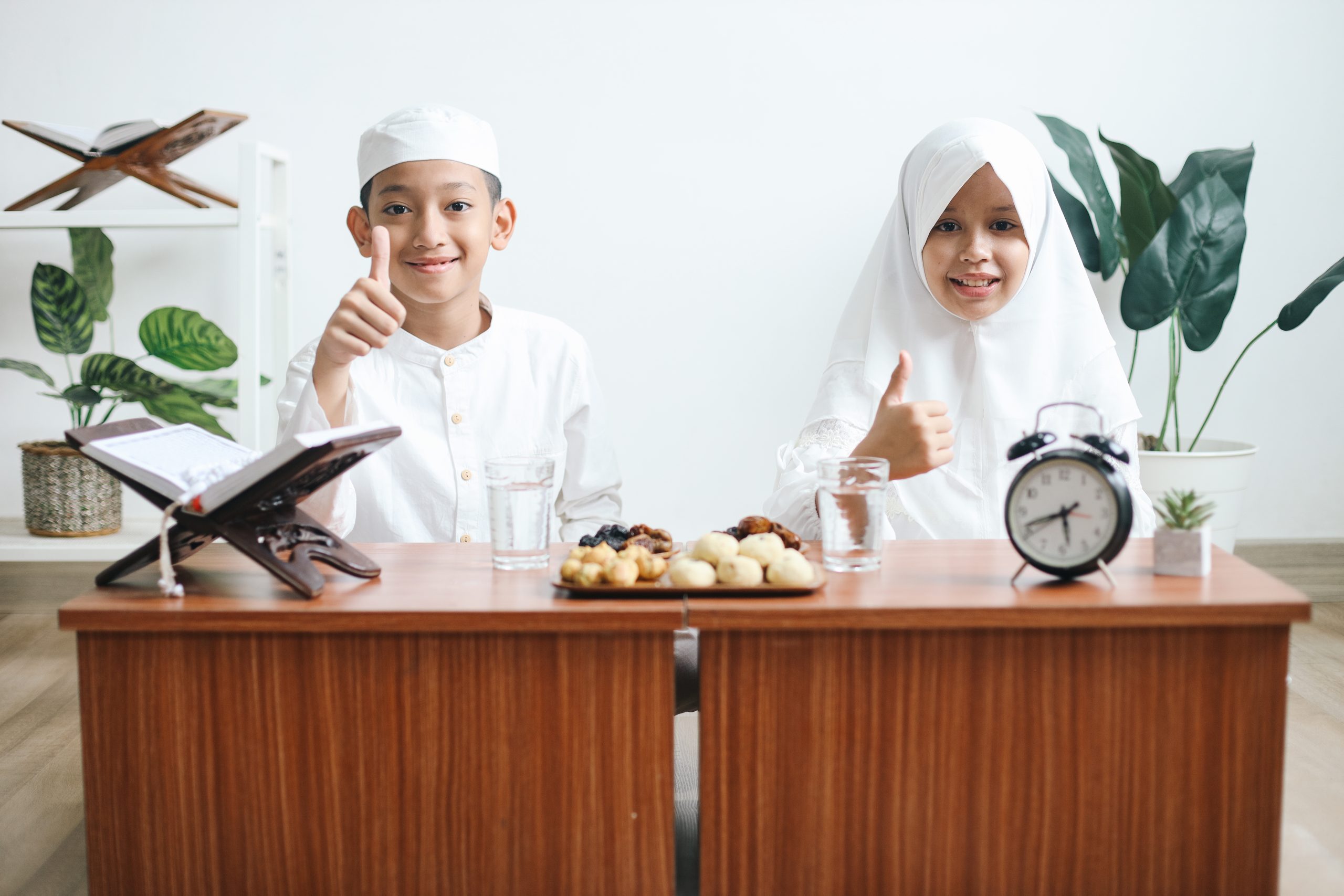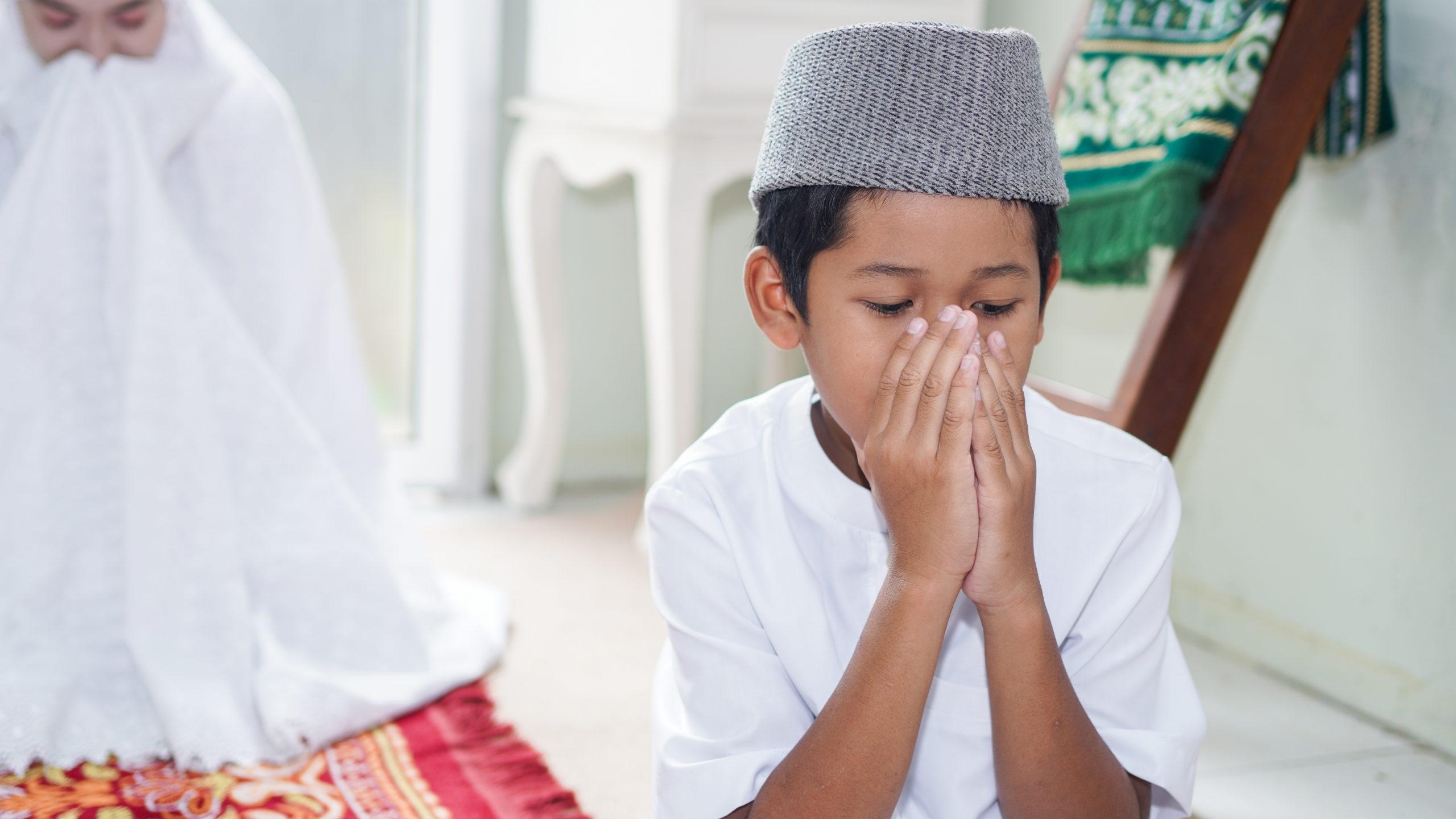
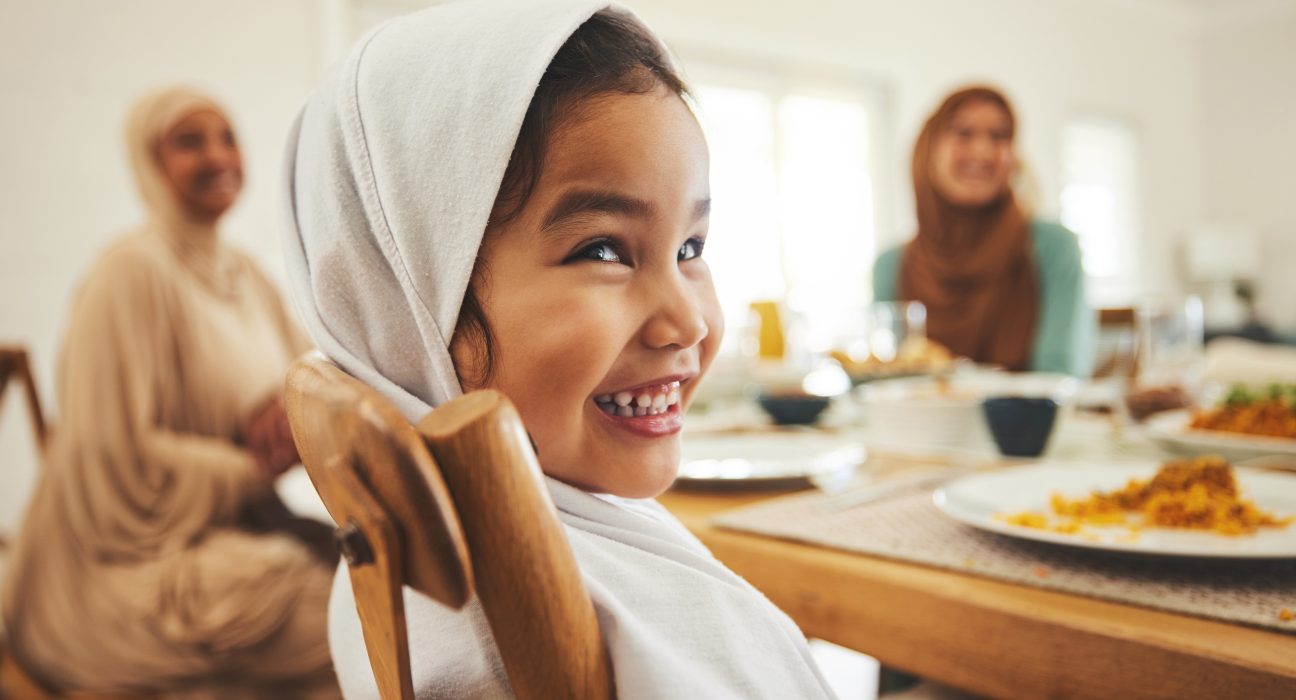
In Islam, food isn’t just about nourishment—it’s a blessing (ni’mah) and a daily opportunity to teach values like gratitude, respect, and mindfulness. One of the most beautiful ways to connect children with Islamic teachings is right at the dining table.
By teaching kids simple mealtime duas (prayers) and prophetic manners, we don’t just raise polite eaters—we raise grateful hearts that recognize the barakah (blessing) in every bite.
Why Gratitude Matters in Islam
Gratitude (shukr) is central to a Muslim’s life. Allah reminds us in the Qur’an:
“If you are grateful, I will surely increase you [in favor]…”
(Surah Ibrahim, 14:7)
Food is one of the most frequent blessings we experience—multiple times a day. Teaching our kids to appreciate it deeply, rather than take it for granted, builds a mindset rooted in humility and connection to the Creator.
1. Start With Bismillah: Mindful Beginnings
Encourage your children to say “Bismillah” before eating. This small phrase shifts the focus from mindless munching to intentional, blessed eating.
If they forget, gently remind them, or teach the hadith:
“When one of you eats, let him mention the name of Allah. If he forgets to mention the name of Allah at the beginning, let him say:
‘Bismillahi awwalahu wa aakhirahu.’”
(Abu Dawood)
Tip for toddlers: Sing it! A short “Bismillah song” before meals can make it fun and memorable.
2. Practice Sunnah Table Manners
The Prophet Muhammad ﷺ showed us how to eat with respect and presence. Teaching kids even one or two of these sunnah habits can make a big impact:
Eat with the right hand
Eat from the part of the plate closest to you
Don’t waste food
Sit and eat (avoid walking around with food)
Don’t criticize the food — say nothing if you don’t like it
By practicing these, children learn self-control, humility, and respect for food—core Islamic values.
3. Alhamdulillah: Ending With Thanks
After eating, teach your children to say:
“Alhamdulillah” – All praise is due to Allah.
You can also introduce this full dua for older kids:
“Alhamdulillahil-ladhi at’amana wa saqana wa ja’alana Muslimeen.”
“All praise is for Allah who fed us and gave us drink and made us Muslims.”
(Tirmidhi)
This simple habit reinforces the understanding that food is a gift—and gratitude turns every meal into a moment of worship.
4. Encourage Conversation About Blessings
At the table, ask reflective questions to help kids become aware of the ni’mah around them:
-
“Where do you think this food came from?”
-
“How many people helped bring this to our table?”
-
“What do you want to thank Allah for today?”
This opens their eyes to the unseen effort behind food—farmers, animals, rain, sunshine—and makes them more conscious, compassionate eaters.
5. Make Barakah a Family Ritual
Create routines that bring a sense of sakoon (peace) to your meals:
-
Sit together as a family whenever possible
-
Avoid screens and distractions
-
Start and end meals with duas
-
Occasionally read a short hadith about food
Over time, these rituals become associated with love, warmth, and spiritual grounding—something your children will carry into adulthood.
Final Thoughts
Mealtime is more than feeding the body—it’s a chance to nourish the heart and soul. By teaching Islamic duas and manners, you’re giving your child tools for both akhlaaq (character) and ibadah (worship).
Remember, it doesn’t have to be perfect—just consistent. Even small habits, when taught with love, grow into big blessings.
So the next time you sit down for a meal, invite your children to say “Bismillah,” take a deep breath, and feel the barakah on the table.