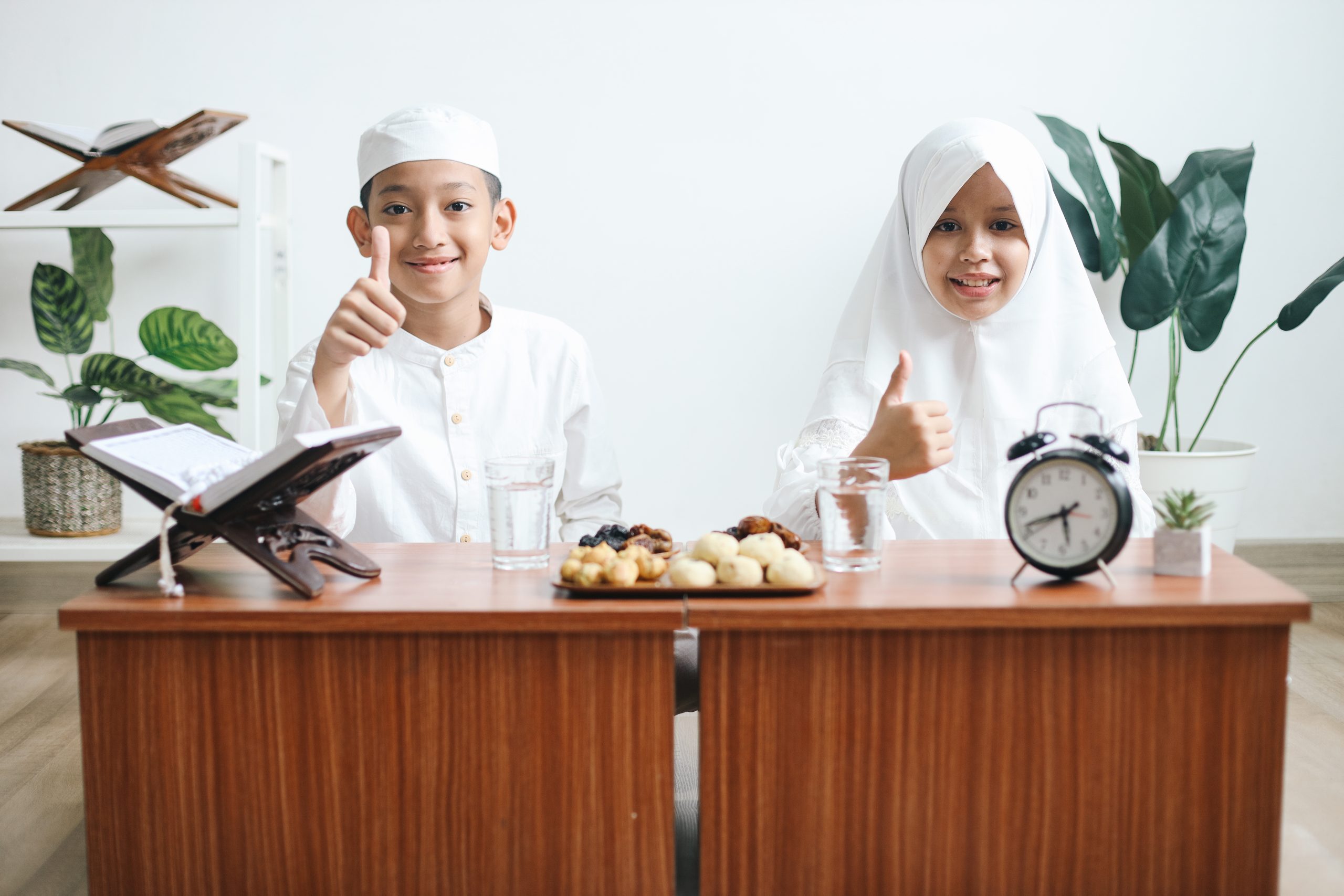
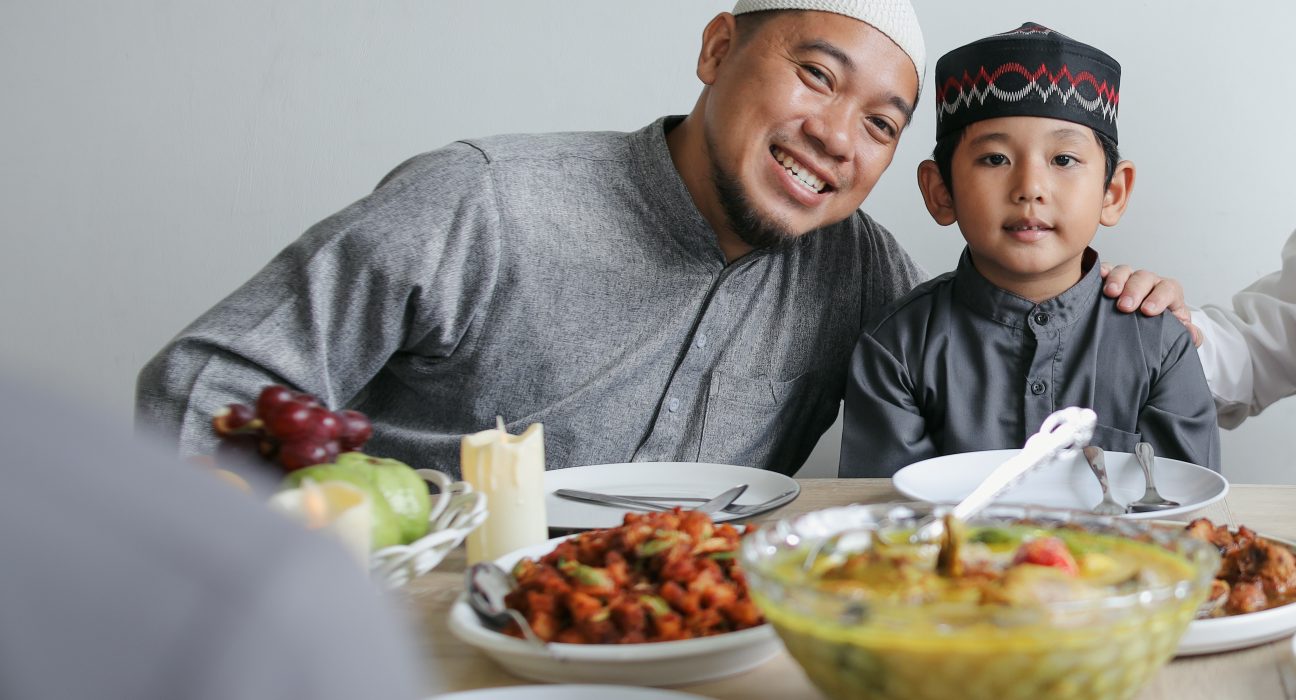
In today’s world of fast food and instant meals, it’s easy to reduce halal to just a food label—something to check before buying meat or snacks. But in Islam, the concept of “halal” goes far beyond a checklist. It is deeply connected to our character, health, ethics, and spirituality.
And when paired with “tayyib”—a word that means pure, wholesome, and good—we discover that what we eat is just one part of how we live as Muslims.
This blog explores how to teach kids the full meaning of halal and tayyib, and how to connect these values to the choices we make around food and beyond.
What Does “Halal” Really Mean?
Halal means permissible in Arabic. When it comes to food, it includes:
-
Animals slaughtered in the name of Allah
-
Food free from alcohol or haram (forbidden) ingredients
-
Ethical sourcing, kindness to animals, and honesty in trade
But halal isn’t just about meat—it’s also about intention, purity, and ethics. The Prophet ﷺ said:
“Indeed, Allah is pure and He only accepts what is pure.”
(Sahih Muslim)
What Does “Tayyib” Mean?
Tayyib means wholesome, clean, pure, and good. It’s about the quality of what we eat—not just whether it’s technically halal. Allah says in the Qur’an:
“O mankind, eat from whatever is on earth [that is] lawful (halal) and good (tayyib).”
(Surah Al-Baqarah, 2:168)
So tayyib includes:
-
Nutritious and clean food
-
Avoiding harmful ingredients (like excess sugar or additives)
-
Ethical farming and honest business
-
Moderation in eating
Teaching kids this concept helps them understand that Islam isn’t just about rules—it’s about wisdom, health, and living with purpose.
Why Teaching Halal & Tayyib Matters
When children understand the deeper meaning of halal and tayyib, they learn to:
-
Make thoughtful food choices
-
Care about their bodies and health
-
Ask questions about where food comes from
-
Connect food with faith and character
They begin to see that eating well is a part of worship—and that barakah (blessing) comes from not just what we eat, but how we eat and where it comes from.
Everyday Ways to Teach Halal & Tayyib to Kids
🛒 1. Let Them Read Labels with You
Involve your child when grocery shopping. Teach them to check for halal certification—but also look at ingredients. Talk about choosing foods that are both halal and healthy.
🥗 2. Cook Together and Talk About Ingredients
Invite kids into the kitchen! Discuss what makes each ingredient wholesome or tayyib. Ask:
-
“Is this something the Prophet ﷺ would recognize as food?”
-
“Is this food good for our body and heart?”
🌱 3. Plant Something Together
Even a small herb pot teaches kids where food comes from, and how growing and harvesting with care is part of the tayyib lifestyle.
🤝 4. Talk About Honesty and Ethics
Explain how halal includes how workers are treated, how businesses behave, and how we treat animals. Share simple examples of kindness and fairness in food-related choices.
🌍 5. Avoid Waste – It’s Not Tayyib!
Teach kids the Prophet’s ﷺ habit of not wasting food. Turn leftovers into lunch ideas, compost scraps, and remind them that every bite is a gift.
From the Plate to the Heart
The beauty of Islam is that nothing is separate from our faith—not even a glass of milk or a bowl of fruit. Teaching your child the meaning of halal and tayyib transforms everyday food into a source of taqwa (God-consciousness).
And when kids learn that what they eat affects how they feel, how they worship, and even how they treat others, you’re planting the seeds of lifelong spiritual and physical wellness.
Final Thoughts
Halal is more than what we’re allowed to eat. Tayyib is more than just organic or clean food. Together, they represent a way of life—one that is thoughtful, kind, balanced, and deeply rooted in gratitude to Allah.
So the next time you prepare a meal or open a snack, pause for a moment. Ask:
“Is this halal? Is it tayyib? Is it bringing barakah into our home?”
And let that reflection be part of the nourishment you offer your children—not just for their bodies, but for their hearts.