In Islam, feeding others is more than just a good deed—it’s a beloved act of worship. Whether it’s sharing a snack with a sibling, inviting a friend to dinner, or giving to someone in need, food becomes a powerful way to express love, kindness, and community.
As parents and caregivers, we can use mealtimes to teach children the value of generosity, help them connect to Islamic values, and nurture hearts that find joy in giving.
Let’s explore how sharing food feeds not just the body—but the soul.
Why Feeding Others Is So Rewarded in Islam
The Prophet Muhammad ﷺ placed high value on feeding others, saying:
“O people, spread the salaam, feed others, maintain family ties, and pray at night while others sleep—you will enter Paradise in peace.”
(Tirmidhi)
Feeding others is mentioned again and again in the Qur’an and hadith—as an act of sadaqah (charity), hospitality, and compassion.
It’s simple. It’s heartfelt. And even children can do it.
The Heart Behind Sharing
When children share meals, they learn:
-
Empathy: Understanding hunger and need
-
Generosity: Giving from what they love
-
Gratitude: Appreciating what they have
-
Community: Feeling connected to others
In a world that often says “more for me,” Islam teaches “more for us.”
Everyday Ways to Teach Kids to Share Food Generously
1. Start at Home: Share With Family Members
Encourage kids to:
-
Offer the last piece to someone else
-
Pass the plate around at dinner
-
Ask, “Would you like some?” before serving themselves
These small actions build selflessness and thoughtfulness.
2. Pack Extra for School
If your child brings lunch to school, let them pack an extra fruit or snack to offer a friend. It could be someone who forgot their lunch or just someone they want to be kind to.
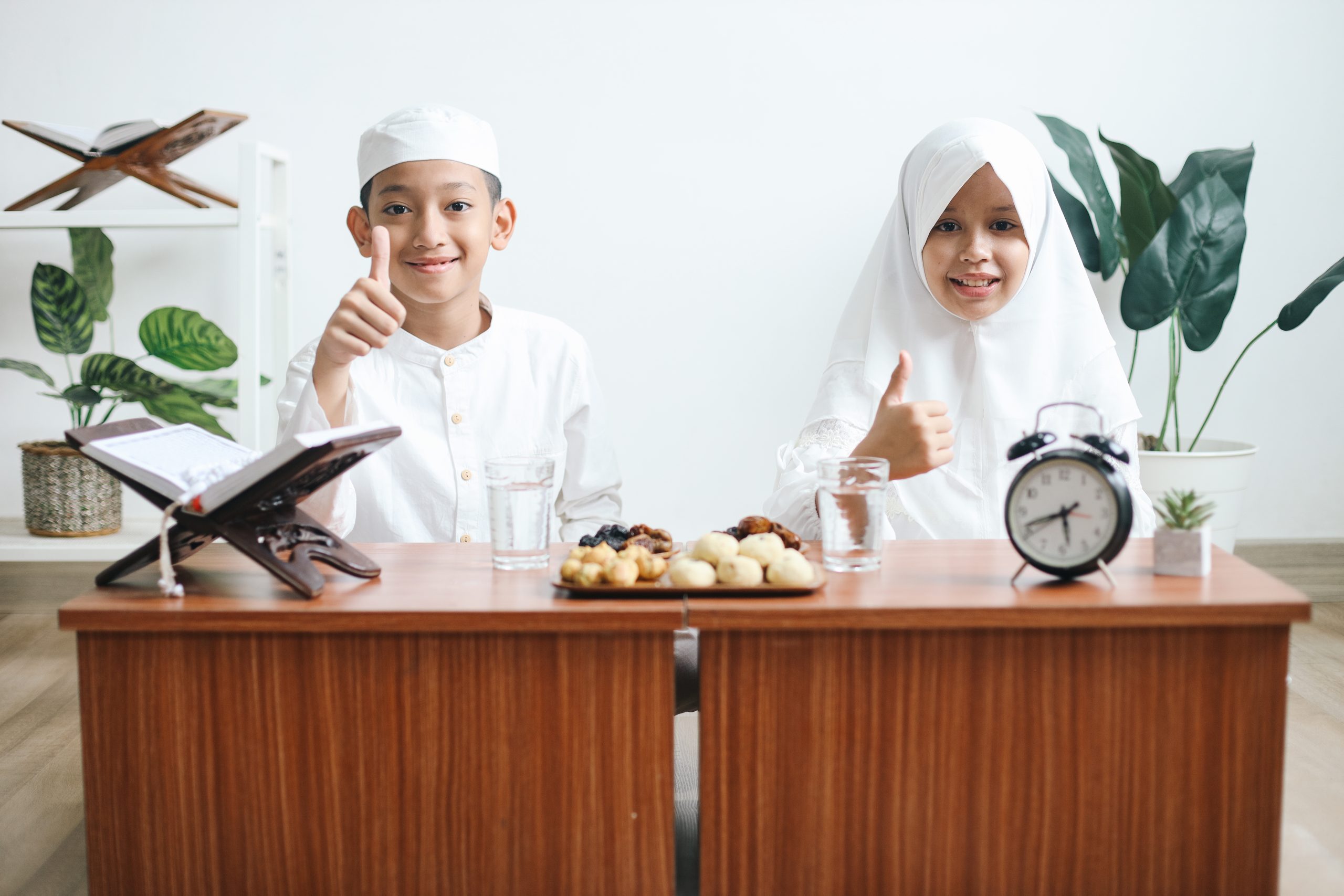
3. Involve Kids in Ramadan Iftars
Let them help cook or deliver iftar to a neighbor or someone in need. Teach them the hadith:
“Whoever gives food for a fasting person to break his fast will have a reward like theirs…”
(Tirmidhi)
Let them feel the joy of giving.
4. Make “Feed Others” a Family Sadaqah Goal
Once a month, choose a family project:
-
Donate groceries
-
Sponsor a meal for orphans
-
Distribute sandwiches in your neighborhood
Let your child help plan, pack, and deliver. These memories shape character for life.
5. Talk About the Global Ummah
Teach your child that Muslims around the world are our extended family. Use stories, photos, or videos to connect them to places where people have less.
Encourage them to say:
“This meal I’m eating—someone else would be so happy to have it.”
That’s the beginning of ummah-minded thinking.
Making Shared Meals a Sunnah Habit
Even something as simple as inviting guests into your home becomes a sunnah when done with the right intention.
Encourage your kids to:
-
Serve guests with a smile
-
Offer water or dates
-
Help set the table
The Prophet ﷺ said:
“He who believes in Allah and the Last Day, let him be generous to his guest.”
(Bukhari & Muslim)
Hospitality becomes part of faith.
Final Thoughts
Teaching kids to feed others isn’t just about food—it’s about shaping hearts that love giving more than getting. Through shared meals, your child learns what it means to live Islam—not just know it.
Every time your child shares a bite, offers a plate, or serves someone with love, they’re planting seeds of akhlaaq, compassion, and iman.