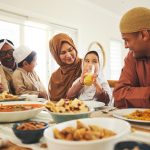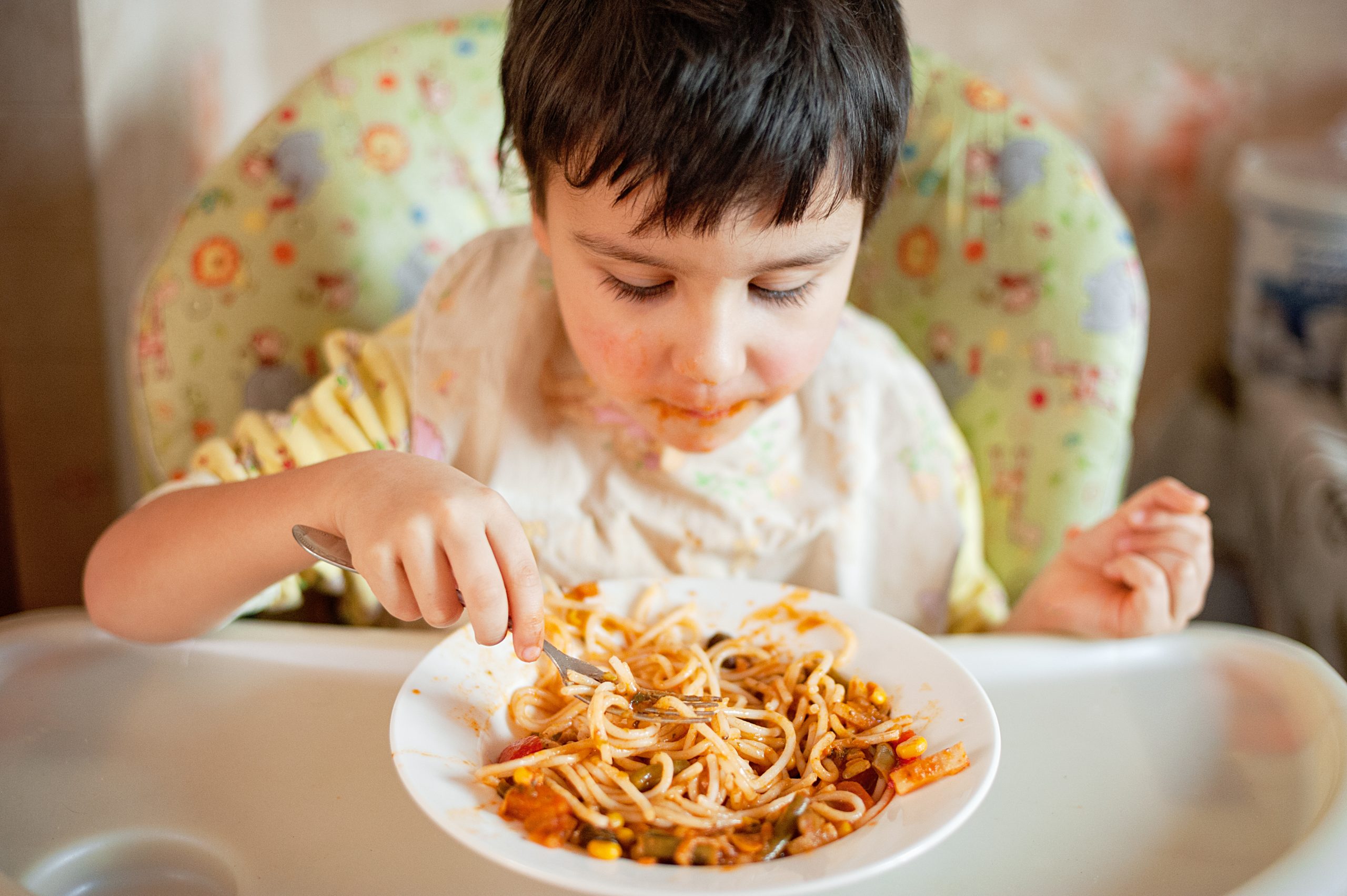
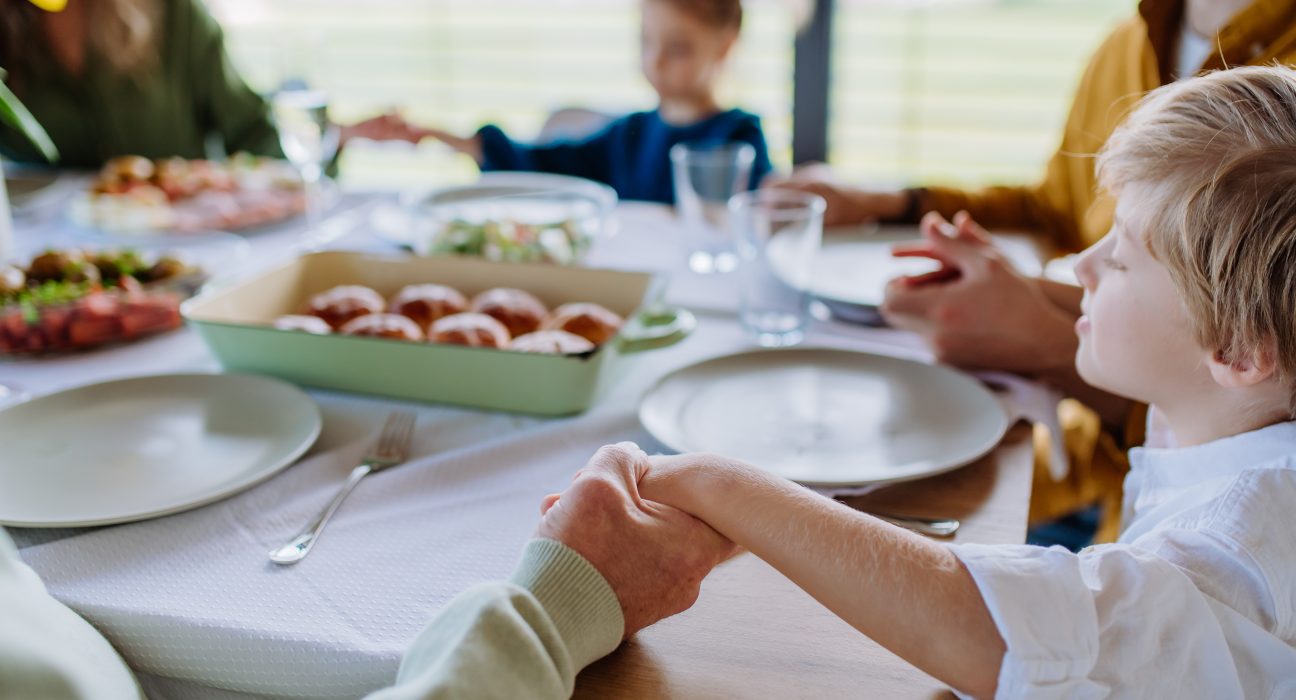
Mealtime isn’t just about food—it’s about connection, belonging, and care. For children with food allergies, dietary restrictions, or special needs, the dinner table can feel like a place of exclusion rather than inclusion. But with a little thoughtfulness, we can make every table a safe and welcoming space for all children, whether at home, school, or community gatherings.
This blog explores practical ways to include kids with allergies, special diets, and halal needs—so no one feels left out.
Why Mealtime Inclusion Matters
Being excluded from food experiences can impact a child’s:
-
Confidence and self-worth
-
Social development
-
Cultural or religious identity
Something as small as not having a safe snack at a party can make a big impact. But inclusion is possible—and powerful—with a few small changes.
“Inclusion at the table shows a child: You belong here. You matter.”
1. Plan with All Kids in Mind
Whether it’s a school lunch, birthday party, or community iftar, always ask:
-
Are there any food allergies or sensitivities to consider?
-
Are any families following a halal or plant-based diet?
-
Can we offer options that are safe for all kids without drawing attention to differences?
Choose foods that are naturally free from major allergens (e.g., fruit, veggies, rice dishes).
Label all food clearly.
Serve buffet-style so kids can choose what’s safe for them.
2. Involve Parents and Caregivers
Open communication is key. Reach out to parents and ask:
-
“Is there a safe treat I can offer your child?”
-
“Do you have a favorite allergy-friendly brand or recipe?”
-
“Would you like to send a separate meal or snack?”
Parents often appreciate being included in the process—and kids feel seen when their needs are remembered.
3. Focus on What Everyone Can Enjoy
Rather than centering mealtime around what one child can’t eat, shift the focus:
“We’re making fruit skewers so everyone can enjoy dessert!”
“These cupcakes are dairy- and egg-free—wanna help decorate them?”
“We picked snacks today that are halal and allergy-safe.”
Kids want to feel included, not singled out—so highlight the shared experience.
4. Keep a Safe Snack Box or Shelf
In schools, homes, or childcare centers, it’s helpful to keep:
-
A stash of safe snacks (labeled with the child’s name)
-
A clearly marked bin for “Allergy-Friendly / Halal Snacks”
-
A list of approved ingredients or brands for reference
This helps teachers, caregivers, or even other kids know what’s safe—and builds trust with families.
5. Teach Kindness at the Table
Use mealtimes to teach all kids:
-
How to ask respectful questions: “What does halal mean?”
-
How to respond with kindness if a friend can’t eat something
-
How to be inclusive without making others feel different
Model empathy:
“Fatima doesn’t eat that, so let’s make sure she has a special spot at the table too.”
6. Celebrate with Intention
Holidays, birthdays, and classroom events can be inclusive too! Try:
-
Build-your-own stations (taco bar, fruit cups, DIY popcorn bags)
-
Allergy-aware baking sessions
-
Halal-friendly party packs (with treats all kids can enjoy)
Ask kids to help plan the menu—this gives them ownership and helps reduce anxiety around food.
Final Thoughts: It’s About More Than Food
Inclusion isn’t just a food choice—it’s a heart posture. When we go the extra mile to ensure all children feel safe, welcome, and included at mealtimes, we create more than just full stomachs. We build compassion, connection, and community.
“A truly inclusive table isn’t about offering more options—it’s about offering more love.”