Ramadan is more than just abstaining from food and drink—it’s a month of discipline, mercy, gratitude, and deep connection with Allah ﷻ. While young children may not be required to fast yet, this holy month presents a golden opportunity to help them understand the why behind Ramadan.
When kids know the purpose of fasting, they begin to appreciate its beauty—not just as a physical practice, but as a spiritual journey that strengthens both the body and soul.
Here’s how to teach children the true meaning of Ramadan in a way that’s heart-centered, age-appropriate, and memorable.
What Is Ramadan Really About?
Instead of focusing only on “no eating or drinking,” introduce Ramadan to your children as:
-
A month of training the soul
-
A time to connect with Allah
-
A chance to become better people
-
An opportunity to help others
Help them understand that Ramadan is about what we gain, not what we give up.
“O you who believe! Fasting is prescribed to you as it was prescribed to those before you, so that you may develop taqwa (God-consciousness).”
—Surah Al-Baqarah (2:183)
1. Explain the ‘Why’ in Simple Words
Use kid-friendly language to explain fasting:
-
“We fast to feel closer to Allah.”
-
“We fast to learn self-control.”
-
“We fast to remember those who don’t have enough to eat.”
Even very young children can understand the concept of empathy, patience, and gratitude.
2. Talk About What We’re Fasting From—Beyond Food
Ramadan is not just a physical fast—it’s also about:
-
Fasting from anger and bad words
-
Fasting from wasting time
-
Fasting from selfishness or greed
Create a list with your kids:
“What else can we give up to please Allah?”
Then ask, “What can we do more of instead?” (e.g. kindness, reading Qur’an, saying ‘Alhamdulillah’)
3. Share Stories of the Prophet ﷺ and His Ramadan
Narrate stories about the Prophet Muhammad ﷺ during Ramadan:
-
How he was more generous in Ramadan than any other time
-
How he spent long nights in prayer
-
How he broke his fast with dates and water, simply and humbly
This builds admiration and love for sunnah practices.
4. Introduce Half-Day Fasts or “Practice Fasting”
For kids aged 6–9, consider introducing:
-
Half-day fasts (e.g. until Dhuhr or Asr)
-
Fasting from snacks or sweets
-
Fasting from screen time for a few hours
Celebrate their efforts, even if small. Let them feel part of the experience without pressure.
5. Use Visual Aids and Crafts to Reinforce Meaning
Try hands-on activities to make learning fun:
-
Create a “Ramadan Purpose Poster” with words like Patience, Kindness, Sharing
-
Draw a “Fasting Heart” showing what a fasting person avoids and what they focus on
-
Track acts of worship with a sticker chart (prayer, helping others, saying dhikr)
These visuals remind kids that Ramadan is about the heart.
6. Make Iftar Time a Moment of Gratitude and Reflection
Use iftar as a teaching moment. Before eating, ask:
-
“What are we grateful for today?”
-
“Did we do something kind while fasting?”
-
“How can we make tomorrow better?”
This turns mealtimes into mindful family bonding moments.
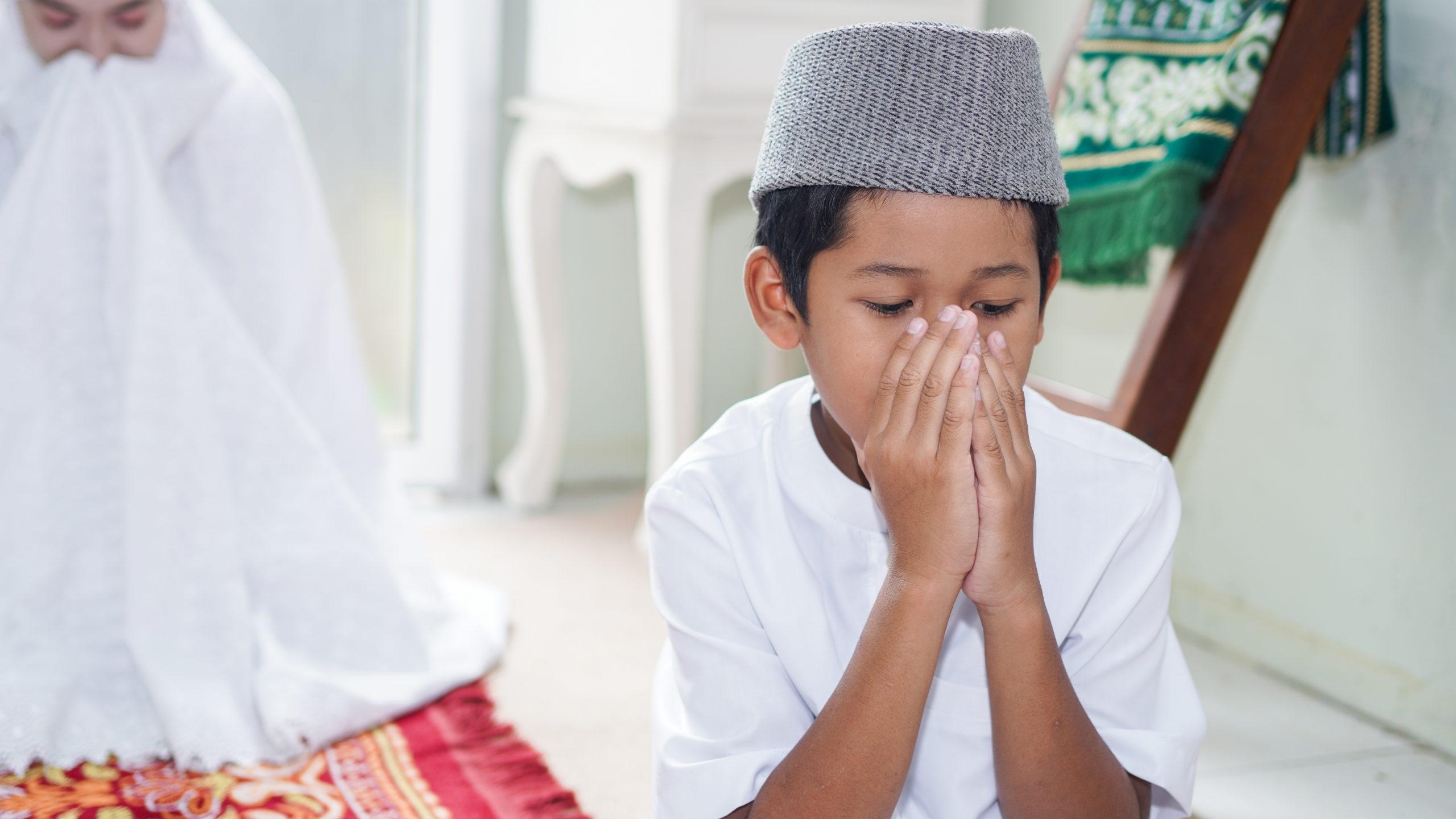
7. Let Kids Witness the Spiritual Side of Ramadan
Even if they don’t fast, let them:
-
Sit with you during taraweeh for a short time
-
Help set up for suhoor or iftar
-
Listen to Qur’an recitation or soft nasheeds
-
Visit the masjid for short, engaging experiences
Being immersed in the environment helps build spiritual memory.
Final Thoughts
Fasting is more than hunger—it’s a school of the soul. Ramadan teaches values that can shape your child’s character for life: gratitude, patience, discipline, and compassion.
By explaining the meaning behind Ramadan in simple, heartfelt ways, you’re helping your child fall in love with the spirit of the fast—not just the rules.
So as you guide them through this blessed month, remind them: