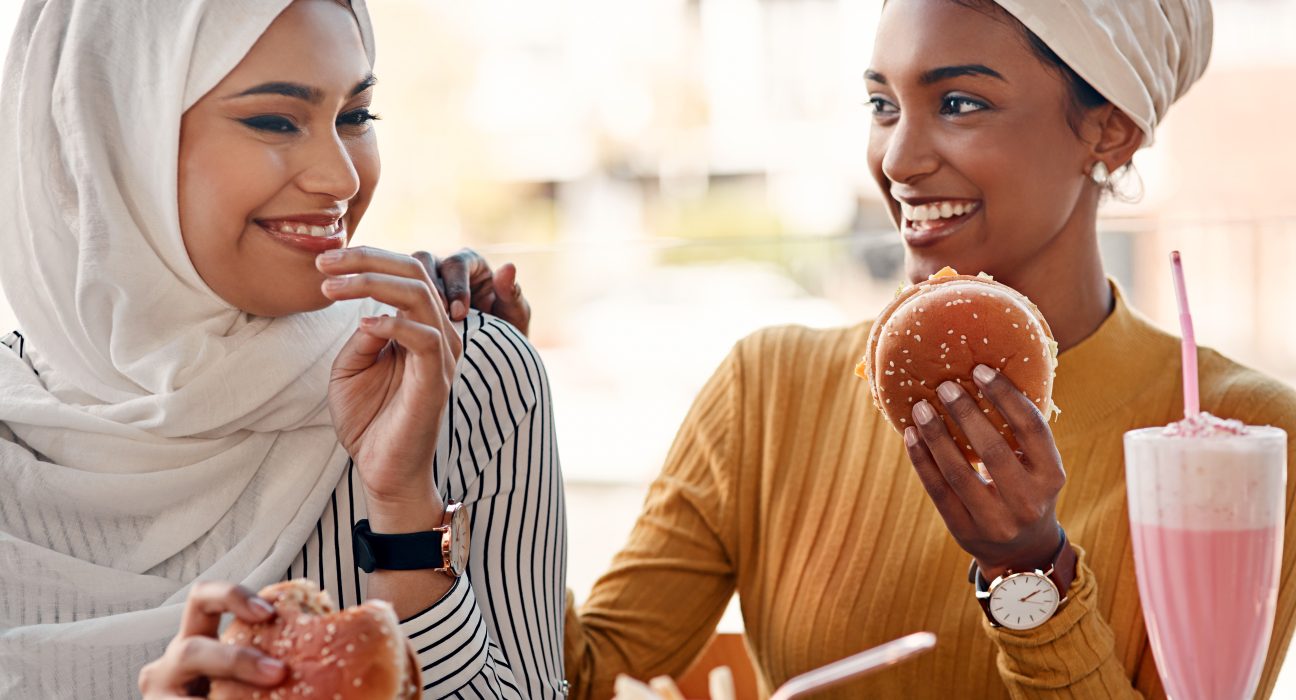
Fast food has long been associated with convenience, speed, and comfort. For decades, however, Muslims around the world faced a dilemma: very few fast food chains offered halal options. Today, the story has changed dramatically. From halal fried chicken joints to gourmet halal burgers, the evolution of halal fast food is reshaping the global dining scene. Here’s how it all unfolded — and where it’s headed next.
1. The Early Days: Limited Choices
In the 1980s and 1990s, halal fast food options were rare outside of Muslim-majority countries. In cities like London, New York, and Paris, Muslim communities often had to rely on small, family-run restaurants or home-cooked meals for halal-friendly fast food.
-
Big chains like McDonald’s, KFC, and Burger King rarely offered halal items — and if they did, it was in very limited markets.
-
Many Muslims either avoided fast food altogether or adapted by choosing vegetarian or seafood options.
Key Fact: The first halal McDonald’s opened in South Africa in 1995 — a major moment for mainstream halal dining.
2. Community-Led Innovation
Real change came when local entrepreneurs started their own halal fast food businesses.
Small halal burger joints, fried chicken shops, and shawarma stands became incredibly popular, especially in Muslim-majority neighborhoods.
-
Examples: London’s iconic “Chicken Cottage” chain, founded in 1994, specifically catered to the halal market.
-
Focus: Familiar flavors, affordable prices, and strict halal certification standards.
Impact: These businesses laid the groundwork for what would become a thriving halal fast food industry.
3. Mainstream Recognition
By the early 2000s, larger brands began to notice the growing demand for halal fast food.
Some international fast food chains started to offer halal-certified outlets in specific locations:
-
McDonald’s: Offered halal-certified menus in parts of the UK, Australia, and Singapore.
-
KFC: Introduced halal branches in cities with large Muslim populations, such as London and Birmingham.
-
Subway: Some stores in the UK operated with fully halal menus for several years.
Challenges: Not all halal menu rollouts were permanent. Some chains faced supply chain issues and changing market demands.
4. The Rise of Specialized Halal Chains
Today, a new wave of halal-only fast food brands are dominating the scene, blending global fast food culture with strict halal standards.
Some notable examples:
-
The Halal Guys (USA): From a food cart in New York to a global sensation, famous for their halal gyro platters and wraps.
-
Fried Guys (UK): A modern halal fried chicken brand that’s expanding rapidly.
-
Smashville (Canada): Known for halal Nashville-style hot chicken sandwiches.
These brands aren’t just “halal alternatives” — they’re leading the industry with fresh concepts, marketing, and loyalty.
5. Global Expansion and Innovation
Halal fast food is no longer limited to burgers and fried chicken. The industry is becoming more diverse, offering:
-
Halal Korean Fried Chicken
-
Halal Mexican Burritos and Tacos
-
Halal Vegan and Plant-Based Options
-
Halal Luxury Fast Casual: Gourmet burgers, premium steaks, and specialty wings.
Fun Fact: In places like Dubai and Kuala Lumpur, halal fast food is so mainstream that even luxury malls offer halal McDonald’s and halal Shake Shack outlets!
Conclusion
The journey of halal fast food has gone from scarcity to a thriving, innovative industry. As Muslim populations grow and halal food becomes more mainstream, we can expect even more exciting developments in fast food — blending authenticity, convenience, and quality like never before.
Next time you grab a halal burger or a plate of halal fried chicken, you’re tasting the result of decades of hard work, passion, and evolution.