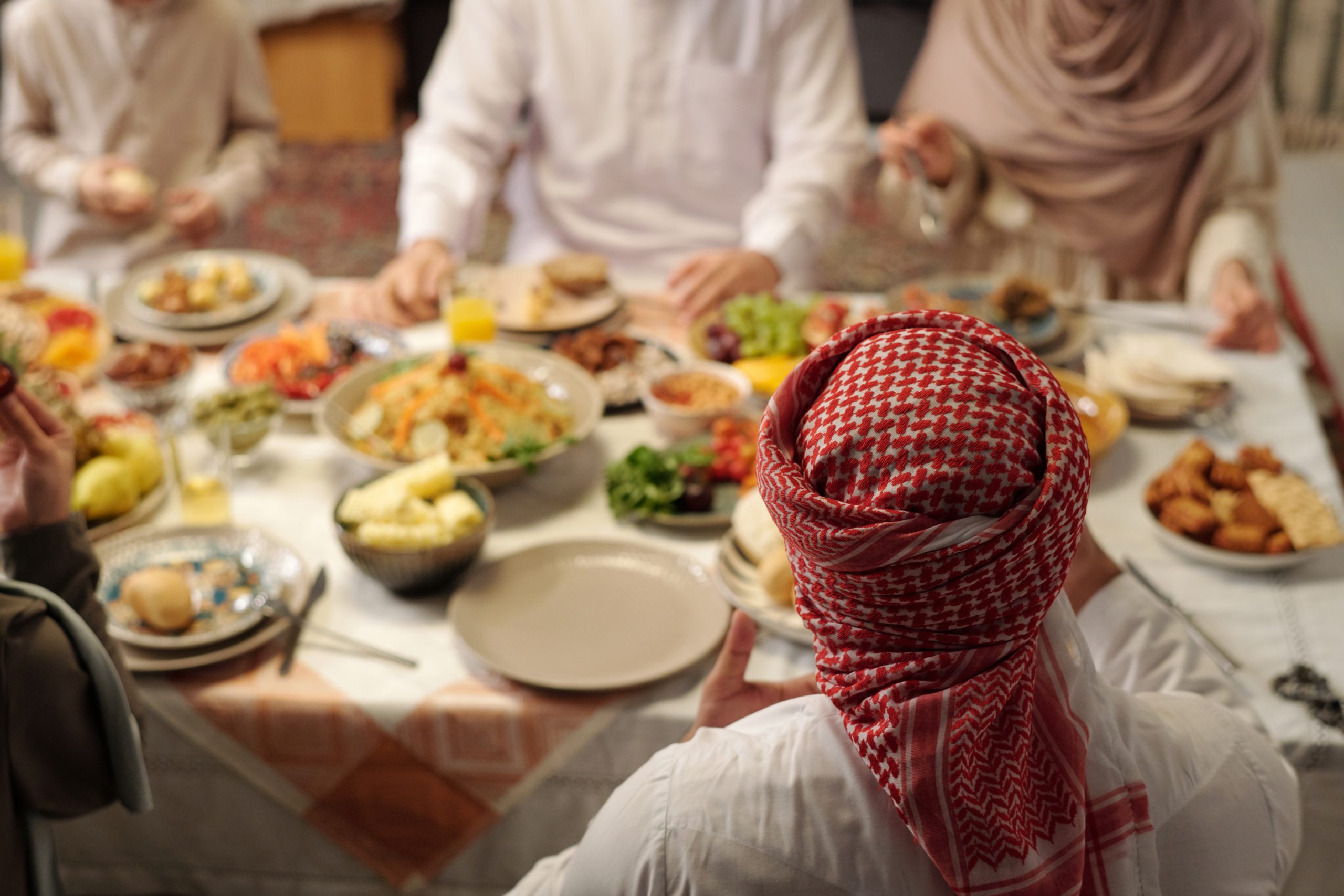

The word “halal” is becoming more visible around the world—on restaurant menus, product packaging, and in global conversations about ethical food. But with its rise in popularity comes plenty of confusion and misinformation.
Let’s clear the air by busting some of the most common myths about halal and uncovering the truth behind this often misunderstood concept.
Myth #1: Halal Only Applies to Food
Truth:
While halal is widely associated with food, it actually covers all aspects of a Muslim’s life. Halal means “permissible” in Arabic, and it applies to:
-
Food and drink
-
Clothing and fashion
-
Business and finance
-
Behavior and ethics
-
Entertainment and lifestyle
So, halal is not just about what’s on your plate—it’s about living a conscious, ethical, and spiritually guided life.
Myth #2: Halal Is Just a Muslim Version of Kosher
Truth:
Halal and kosher share some similarities—like humane animal slaughter and religious guidelines—but they are not the same. Key differences include:
-
Kosher rules forbid mixing meat and dairy; halal does not.
-
Halal allows seafood of all kinds (with some scholarly differences), while kosher has strict seafood rules.
-
Blessings and the method of slaughter also vary between the two.
While both stem from religious dietary laws, halal follows Islamic guidelines, while kosher follows Jewish ones.
Myth #3: Halal Slaughter Is Cruel
Truth:
Halal slaughter is designed to be humane and ethical. Islam teaches that animals should be treated with kindness and not suffer unnecessarily.
Key principles include:
-
The animal must be healthy and well-treated.
-
A sharp blade is used for a swift and painless cut.
-
God’s name (Bismillah, Allahu Akbar) is recited to acknowledge the life being taken.
Many experts agree that halal slaughter, when performed correctly, is as humane—if not more so—than standard industrial practices.
Myth #4: Halal Food Tastes Different or “Too Spicy”
Truth:
Halal simply refers to how food is sourced and prepared according to Islamic law—it doesn’t dictate flavor. Halal food can be:
-
Mild or spicy
-
Asian, Middle Eastern, Western, or African
-
Street food or fine dining
The flavor depends on the recipe, not the halal status.
Myth #5: Halal Is Only for Muslims
Truth:
Anyone can eat halal food. In fact, many non-Muslims do, either for ethical, health, or quality reasons. Halal food is often:
-
Free from harmful additives like alcohol or pork-derived ingredients
-
Sourced ethically and slaughtered with care
-
Thoroughly cleaned and prepared in hygienic environments
It’s a healthy, mindful choice suitable for people of all backgrounds.
Myth #6: Halal Certification Is Just a Marketing Gimmick
Truth:
Halal certification is a serious process. It involves:
-
Thorough inspection of ingredients and sourcing
-
Monitoring preparation and handling methods
-
Ongoing audits to maintain standards
For Muslim consumers, certification provides assurance that the product truly meets Islamic guidelines.
Final Thoughts: Halal Is About Values, Not Just Labels
Halal is not about being different or exclusive—it’s about living with integrity, compassion, and consciousness. By understanding what halal really is, we can move past stereotypes and appreciate the rich values behind it.
Whether you’re Muslim or simply curious, knowing the truth about halal helps build bridges of respect and understanding in our diverse world.