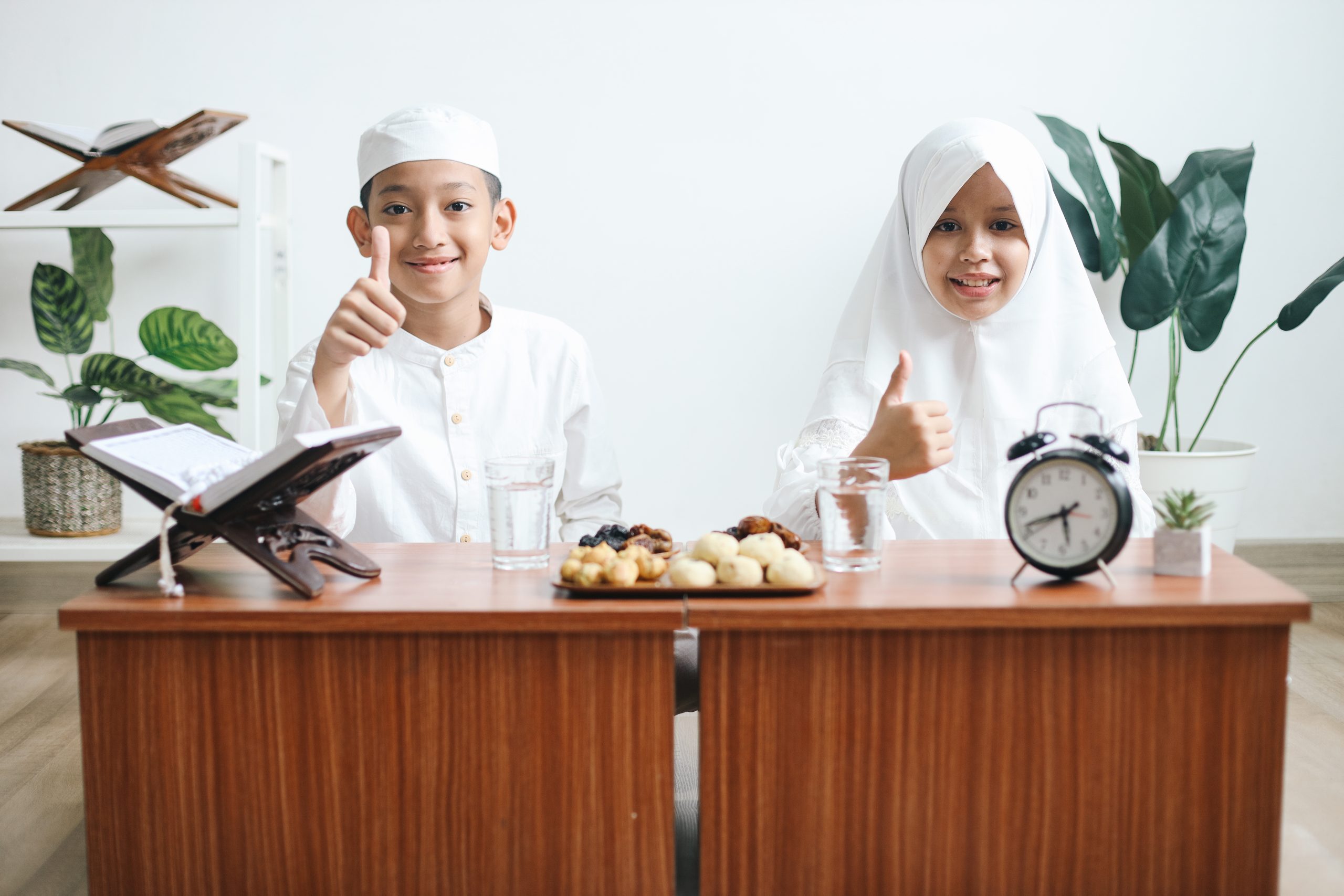

Mealtime isn’t just about nutrition—it’s a key moment in the day where emotional, social, and developmental learning happens. For children, the environment around food can shape how they feel about eating, how they relate to others, and even how they view themselves.
In this blog, we’ll explore how the mealtime atmosphere influences emotional development—and how you can use this everyday moment to raise more confident, secure, and emotionally resilient eaters.
Why Emotional Resilience Matters at the Table
Emotional resilience is a child’s ability to handle stress, adapt to change, and recover from disappointment. At the table, this shows up in subtle but powerful ways:
-
Trying a new food without panic
-
Coping when a favorite meal isn’t available
-
Managing frustration or disappointment with support
-
Listening to hunger and fullness cues
-
Engaging socially and feeling connected during meals
When kids feel emotionally safe at the table, they’re more likely to develop a healthy relationship with food—and with themselves.
The Mealtime Environment: What It Teaches Kids
Your daily mealtime routine—no matter how simple—teaches your child about:
-
Emotional regulation (“We take a deep breath when we’re frustrated.”)
-
Self-trust (“You can stop eating when you’re full.”)
-
Social interaction (“We take turns talking and listening.”)
-
Security and routine (“Dinner happens at the same time each day.”)
Whether positive or negative, the mealtime environment becomes part of your child’s emotional blueprint.
6 Ways to Create a Resilience-Building Mealtime
1. Lead with Connection, Not Correction
Start the meal with eye contact, warmth, and curiosity. Ask about their day. Avoid opening with reminders like, “Eat your veggies,” or “Don’t make a mess.” Emotional safety first—food choices second.
2. Allow Autonomy (With Boundaries)
Let kids serve themselves, choose portion sizes, and decide when they’re full. This builds confidence and body awareness. Set limits gently:
“You don’t have to eat it, but we keep all food on the plate.”
3. Make the Table a Judgement-Free Zone
Avoid teasing, pressuring, or commenting too much on what or how much a child eats. Instead of “You didn’t even try it!” say:
“It’s here if you decide you’re ready to taste it.”
4. Embrace Imperfection
Spilled juice, messy faces, and slow eaters are part of the learning process. Respond with patience, not punishment. This shows kids they’re safe even when they mess up.
5. Encourage Conversation & Emotional Check-ins
Use mealtime as a space to talk about emotions—big or small. Try prompts like:
-
“What made you laugh today?”
-
“Was there a hard moment at school?”
-
“Are you eating because you’re hungry or just bored?”
6. Keep a Consistent Routine
Predictable mealtimes offer emotional security. When children know what to expect, they feel safe—and are less likely to act out through food.
Bonus Tip: Rituals Build Resilience
Simple mealtime rituals (like saying a prayer, setting the table, or taking turns sharing highlights of the day) help kids feel grounded and connected.
When the Environment Becomes Stressful
Sometimes, even the best-intentioned meals turn tense. If you find yourself in regular mealtime battles, try:
-
Taking a break from “food goals” (like trying new veggies) and focusing on connection instead
-
Reducing distractions (TV, phones) and slowing the pace
-
Checking if your child is too tired, overstimulated, or emotional before meals
Remember: a peaceful environment is more nourishing than a perfectly balanced plate.
Final Thoughts
Food is emotional. That’s not a flaw—it’s a fact. By nurturing a positive mealtime atmosphere, you’re doing more than feeding your child’s body. You’re feeding their confidence, emotional strength, and lifelong relationship with food.
It’s not about making every meal perfect—it’s about making your child feel safe, seen, and supported, one bite at a time.