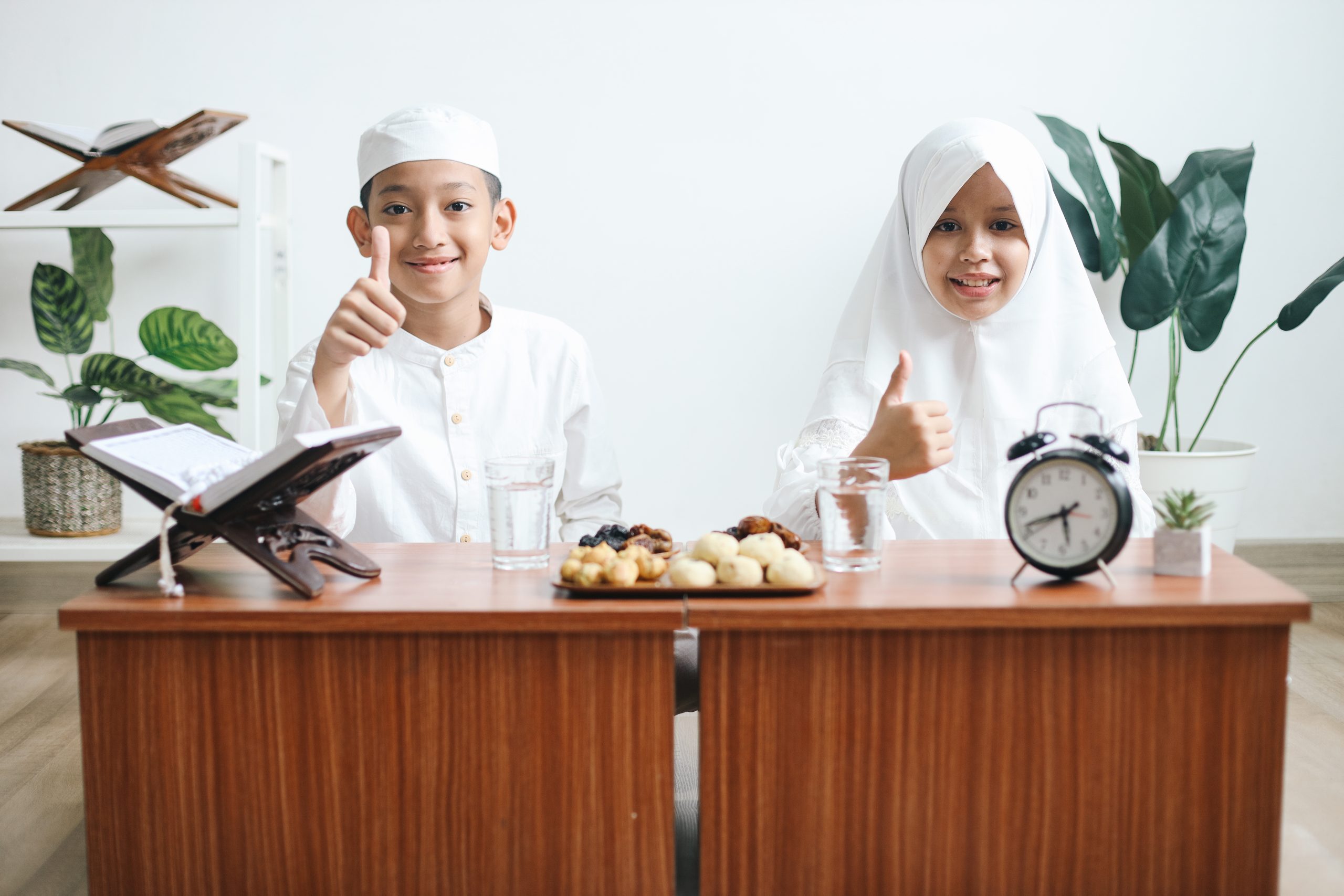

As parents, we often focus on what our children are eating—fruits, veggies, enough water, not too much sugar. But why they eat the way they do is just as important. Children’s emotions have a powerful influence on their eating behaviors, and understanding that connection can help parents raise healthier, more emotionally aware eaters.
This blog explores how emotions like stress, boredom, sadness, or even excitement can affect kids’ appetites, cravings, and relationship with food—and what parents can do to support balanced emotional and nutritional growth.
Why Do Emotions Affect Eating?
Just like adults, children sometimes eat not out of hunger but out of emotion. This can include:
-
Comfort eating after a tough day at school
-
Loss of appetite when anxious or upset
-
Cravings for sugar when bored or overstimulated
-
Refusing food to gain a sense of control
These behaviors aren’t about “bad habits”—they’re often a child’s way of coping, communicating, or trying to self-soothe when they don’t have the words or tools to express big feelings.
3 Common Emotional Eating Patterns in Kids
1. Comfort Eating
Children may turn to food (often sweet or carb-heavy) when they’re feeling sad, lonely, or insecure. This can become a habit if food is used as a reward or distraction.
What to watch for:
-
Asking for snacks after emotional moments, not meals
-
Wanting food even when not hungry
-
Linking treats to feeling “better” emotionally
2. Control Through Food Refusal
Some kids use food refusal as a way to feel in charge—especially if they feel powerless in other areas of life. This is common in toddlers and can resurface in stressful times (new sibling, school change, etc.).
What to watch for:
-
Power struggles at the table
-
Consistent refusal of meals, even favorite foods
-
Gaining attention through negative food behavior
3. Mindless Cravings & Overeating
Boredom or overstimulation (like too much screen time) can lead to frequent snacking, especially on ultra-palatable foods like chips or cookies.
What to watch for:
-
Grazing all day instead of eating structured meals
-
Emotional highs/lows followed by food requests
-
Disconnect between hunger cues and eating
How Parents Can Support Emotionally Healthy Eating
🍽 1. Create a Calm Mealtime Atmosphere
Make meals a safe, stress-free space. Avoid rushing, scolding, or using food as punishment or reward. Focus on connection, not correction.
🧠 2. Teach Feelings First, Then Food
Help your child name and express emotions. Say things like:
-
“You seem sad—do you want to talk or cuddle?”
-
“Are you hungry or just bored?”
This teaches them to check in with their feelings before turning to food.
⏱ 3. Stick to Predictable Routines
Consistent meal and snack times help regulate appetite and reduce emotional eating triggered by chaos or unpredictability.
🙌 4. Avoid Labeling Foods as “Good” or “Bad”
Instead of moralizing food, focus on balance. This reduces guilt and anxiety, especially for kids who are emotionally sensitive.
👂 5. Model Mindful Eating
Let your child see you eating slowly, savoring food, and stopping when full. Share your own hunger or fullness cues aloud:
“I’m full now, so I’ll save the rest for later.”
Red Flags: When to Seek Help
While occasional emotional eating is normal, consider professional support (like a pediatrician or child therapist) if you notice:
-
Sudden weight changes
-
Extreme food restriction or fixation
-
Anxiety or meltdowns tied to eating
-
Signs of depression or low self-esteem
Final Thoughts
Food is deeply emotional for all of us—and that includes children. By understanding the link between emotions and eating, we can help our kids develop not only healthy diets, but also healthy coping skills and self-awareness.
Remember: your child doesn’t need perfect meals—they need a parent who listens, notices, and supports them with love (and maybe a snack when appropriate!).