Living a healthy lifestyle while following halal dietary guidelines is completely achievable—with the right meal planning. Whether your goal is to lose weight, build muscle, or feed a healthy family, a halal diet can support your lifestyle while staying true to Islamic values.
1. Weight Loss:
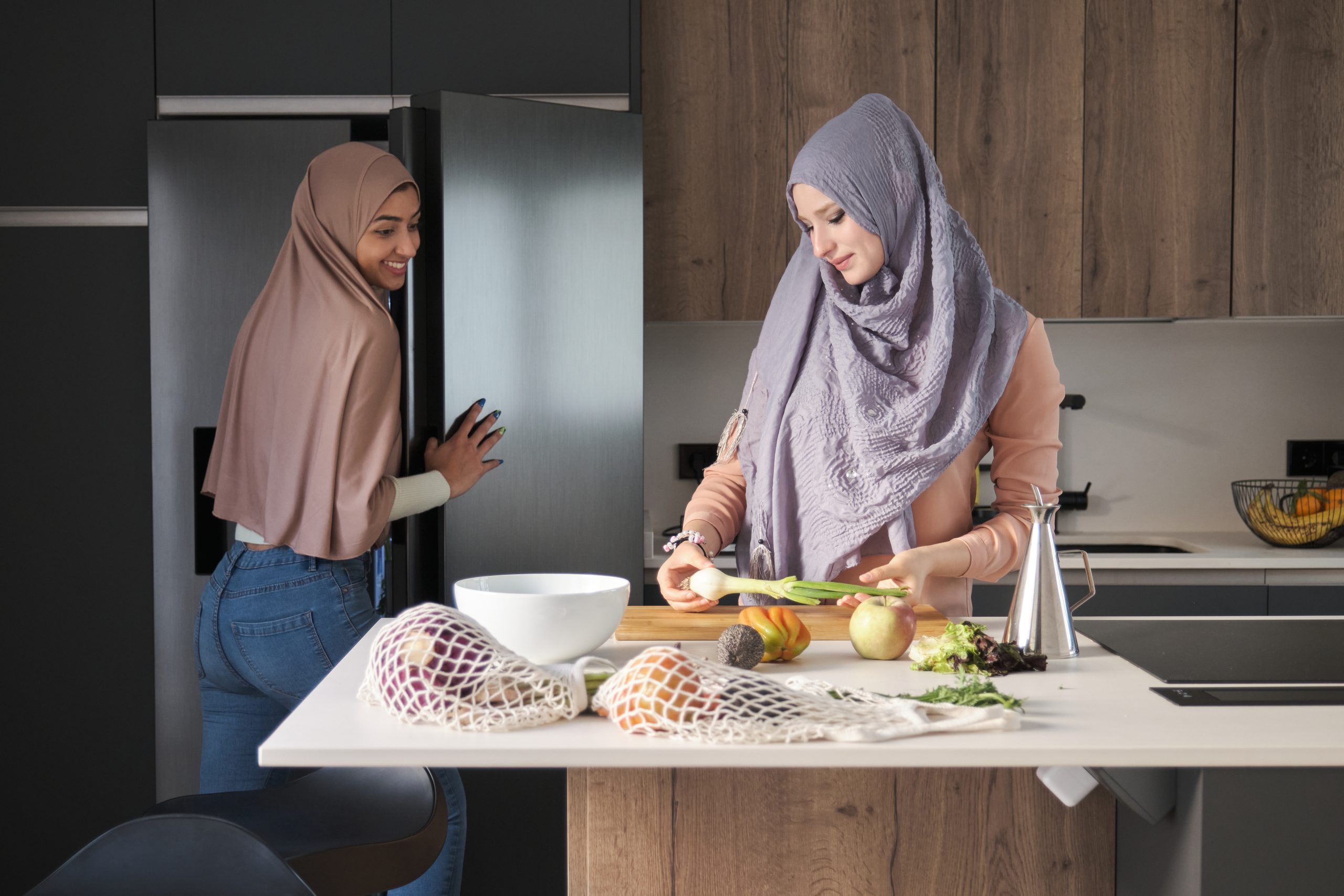
A halal weight-loss meal plan focuses on creating a calorie deficit without sacrificing nutrition. Opt for lean proteins like grilled halal chicken, fish, tofu, or legumes. Pair these with fiber-rich vegetables and whole grains like brown rice or quinoa. Avoid fried and processed halal foods; instead, try air frying or baking. Stick to portion-controlled meals and drink plenty of water—hydration helps manage appetite.
2. Muscle Gain:
Building muscle requires more protein and strategic carbohydrates. Include halal-certified lean meats, eggs, lentils, and dairy like Greek yogurt. Post-workout meals should include both protein and fast-digesting carbs (e.g., dates and a protein shake). Regular meals should be nutrient-dense with a good balance of complex carbs and healthy fats to fuel muscle recovery and growth.
3. Family Health:
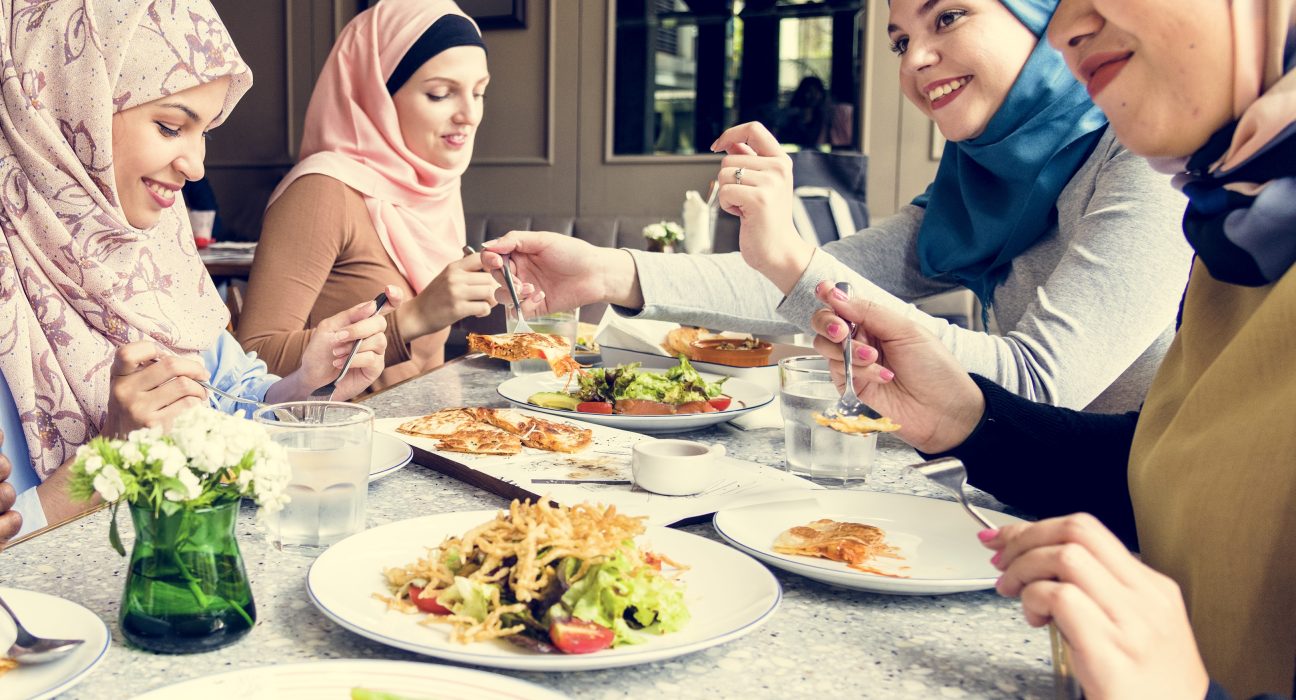
A family-friendly halal meal plan should be balanced and diverse to meet everyone’s needs. Include a mix of vegetables, whole grains, dairy, and protein sources like halal meats, beans, and eggs. Make meals colorful and kid-friendly—wraps, rice bowls, and stews are great options. Limit sugary drinks and encourage home-cooked meals to maintain control over ingredients.
In all cases, meal planning should reflect both nutritional needs and Islamic principles—avoiding waste, eating in moderation, and showing gratitude. With thoughtful choices, halal eating can be flexible, nourishing, and suited to every goal and stage of life.