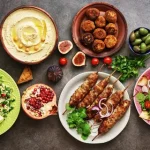
While halal diets prioritize ethical and religious guidelines, they are not automatically healthy. Many people unknowingly fall into dietary traps that can negatively impact their health—even when eating strictly halal. Here are common pitfalls in halal eating and how to fix them.
1. Over-Reliance on Fried or Processed Foods
From samosas to deep-fried chicken, many halal-certified foods are calorie-dense and nutrient-poor. Relying on them regularly increases the risk of heart disease and weight gain.
Fix: Shift to healthier cooking methods like grilling, baking, or steaming. Use spices and herbs to boost flavor without excess oil or salt.
2. Lack of Nutritional Variety
Many halal diets center around meat and rice, with limited vegetables or whole grains. This can lead to nutrient deficiencies, especially fiber, vitamins, and antioxidants.
Fix: Add variety by including more plant-based meals, fresh fruits, leafy greens, legumes, and whole grains like oats and bulgur.
3. High Sugar and Refined Carb Intake
Halal desserts, sugary drinks, and white bread are often staples during gatherings or daily meals. Overconsumption can lead to insulin resistance and fatigue.
Fix: Choose natural sweeteners in moderation and opt for complex carbs like sweet potatoes or whole wheat bread.
4. Skipping Portion Control
“Halal” does not mean “eat unlimited.” Oversized portions—even of healthy foods—can lead to weight gain.
Fix: Follow sunnah by eating in moderation and stopping before feeling completely full.
A balanced halal diet is about more than just what’s permissible—it’s about what’s beneficial. With mindful adjustments, halal eating can be both spiritually fulfilling and physically nourishing.