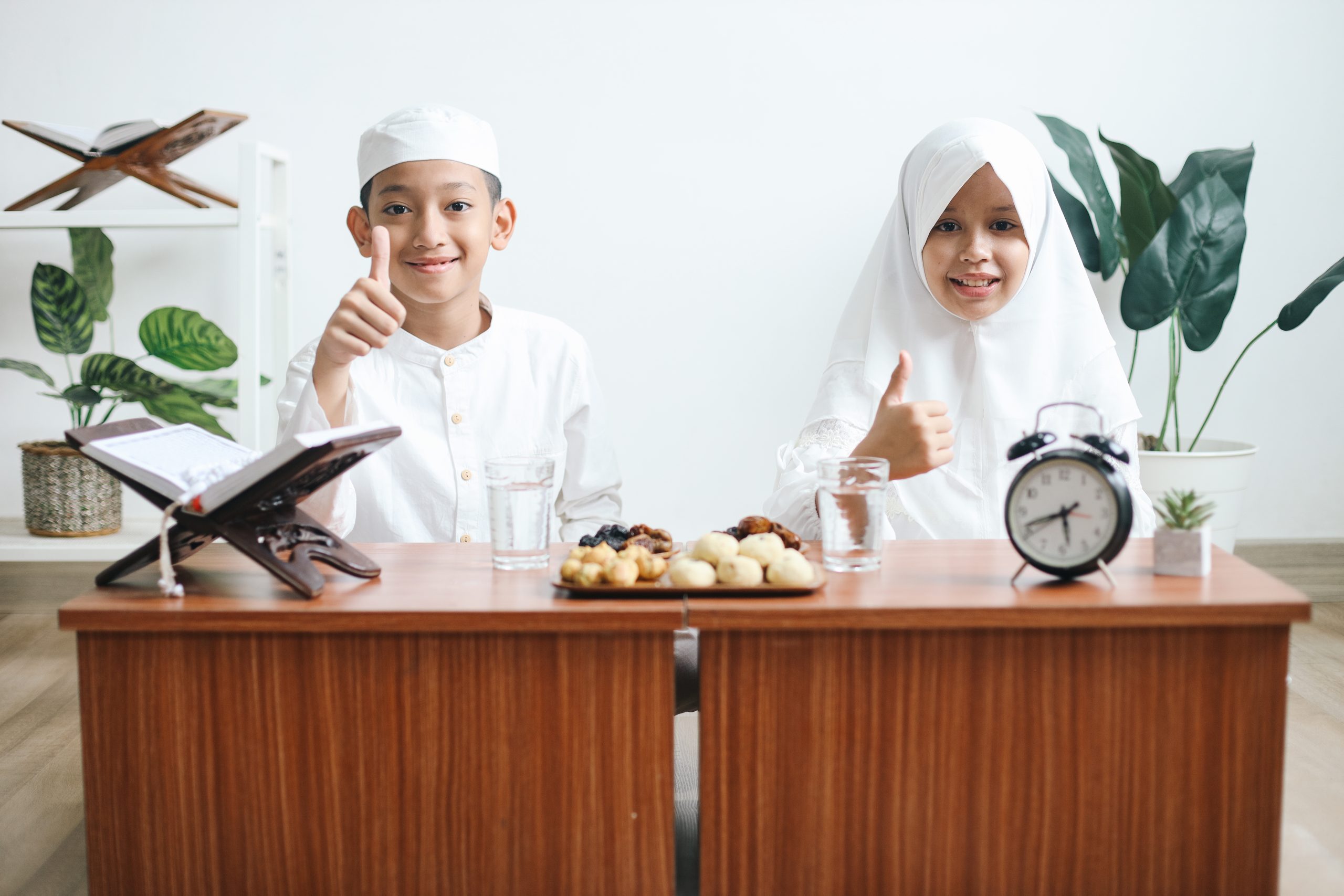
One of the first steps in raising children with a strong Islamic identity is helping them understand what halal (permissible) and haram (forbidden) mean—especially when it comes to food. For many families, this topic comes up early, from lunchbox snacks to birthday party treats.
But instead of simply saying, “We can’t eat that,” we have a beautiful opportunity to teach kids about the values behind halal food—kindness, cleanliness, respect, and obedience to Allah ﷻ.
Here’s how you can explain halal and haram foods in a way that empowers children and builds pride in their faith.
What Is Halal? Explaining the Basics to Kids
Start simple and positive:
“Halal means what Allah has made good and allowed us to enjoy.”
Tell them that halal foods:
-
Come from animals treated kindly and slaughtered in a respectful way
-
Don’t have anything harmful or dirty in them
-
Are a way to show love and obedience to Allah
You can say:
“When we eat halal food, we’re feeding our body and our soul.”
What Is Haram? Use Gentle Honesty
You can explain:
“Haram means things that Allah has asked us to avoid because they’re not good for us.”
This includes:
-
Pork or pork-based ingredients (like gelatin)
-
Animals not slaughtered in a halal way
-
Alcohol or anything made with it (even in candy or desserts)
Instead of using fear, focus on trust:
“Allah loves us, and He only asks us to avoid what could hurt us.”
Teach Through Real-Life Examples
Kids learn by doing, so include them in food choices:
-
Read ingredient labels together
-
Visit a halal butcher and talk about the process
-
Let them help pick snacks from halal-friendly brands
-
When shopping, say: “Let’s find something tasty and halal!”
Create a fun game:
🔍 “Halal Detective!”—look for the halal symbol on packages or spot hidden haram ingredients like “gelatin” or “enzymes from pork.”
Navigating Birthday Parties and School Snacks
Prepare your kids to handle situations with confidence and kindness:
-
Teach them to ask: “Is there any pork or gelatin in this?”
-
Pack their own halal treat for parties if needed
-
Role-play how to politely say, “No thank you, I only eat halal.”
Emphasize that:
“You’re not missing out—you’re doing something special for Allah.”
Link Halal to Islamic Values
Teach that halal isn’t just a rule—it’s a way of life:
-
Gratitude: Say Bismillah before eating
-
Kindness: Make sure animals are treated with care
-
Respect: Choose what pleases Allah even when no one is watching
-
Cleanliness: Halal food must be pure and healthy
You can ask:
“Why do you think Allah wants us to eat clean, good food?”
“How does eating halal show respect for animals?”
Storytime Tip: Use Prophets and Sahaba Stories
Tell simple stories, like:
-
Prophet Muhammad ﷺ refusing to eat doubtful food
-
How early Muslims made sacrifices to stay halal even under pressure
These real-life stories teach courage and trust in Allah.
Final Thoughts
Teaching kids about halal and haram isn’t just about food—it’s about building their identity, trust in Allah, and love for the deen. When they understand the why behind their choices, they’re more likely to feel proud, not pressured.
So the next time your child asks, “Can I eat this?”—turn it into a moment of love, learning, and faith.