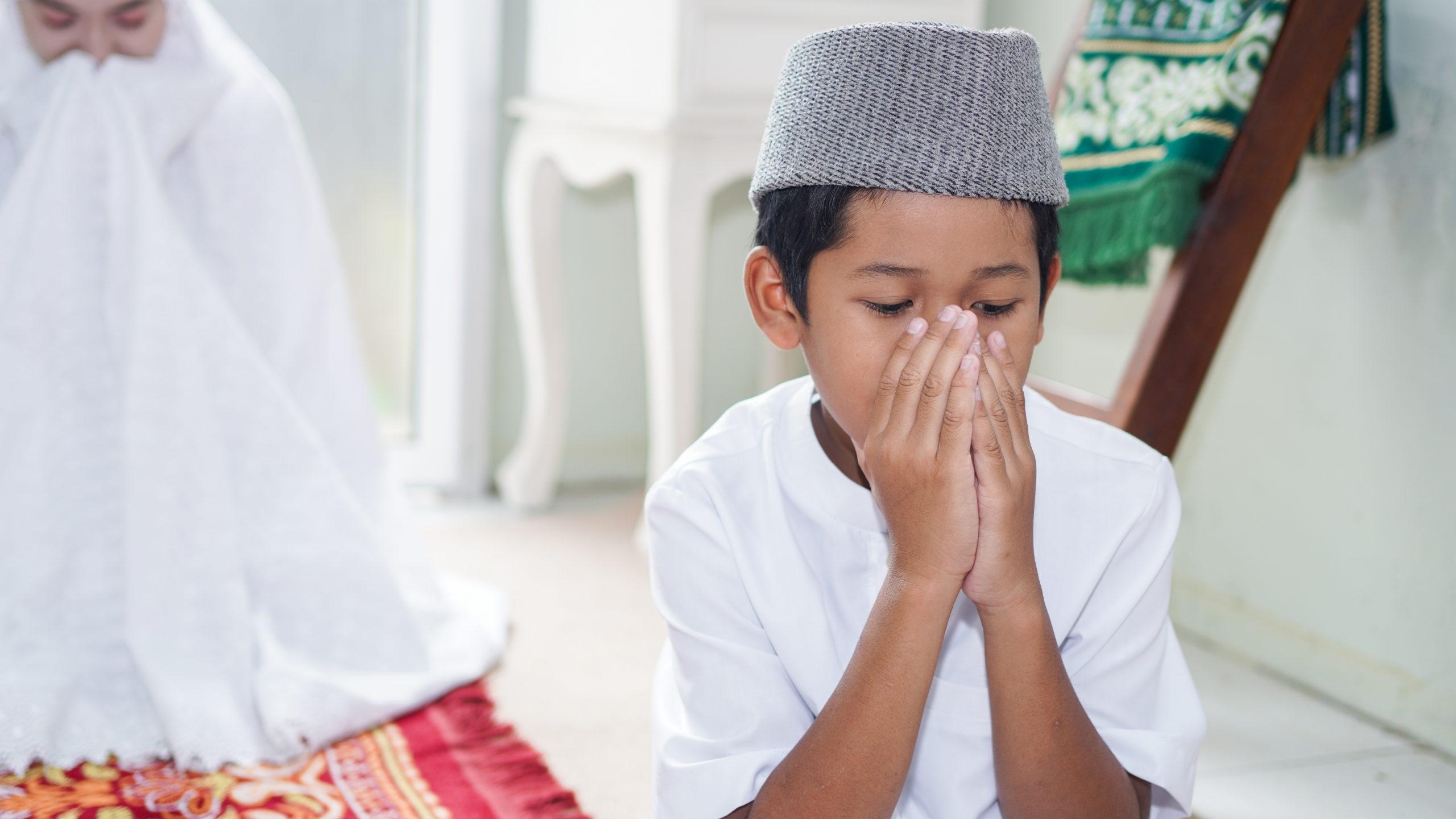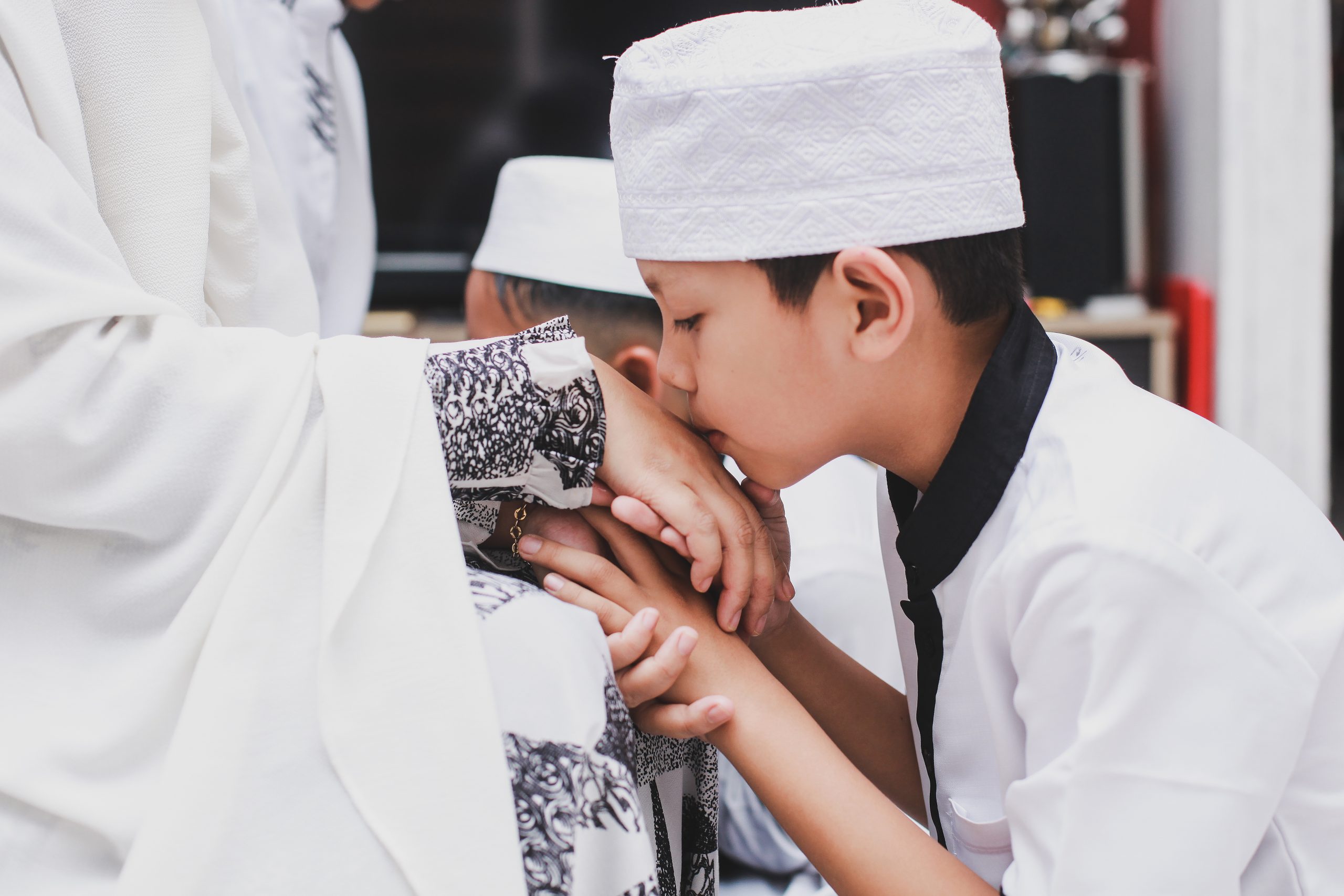

When we hear the words halal and haram, most of us think of food—and rightly so. Teaching kids to eat what’s halal is often one of the first steps in Islamic upbringing. But halal and haram go far beyond what’s on our plates. They are part of every action, decision, and behavior in a Muslim’s life.
By expanding our children’s understanding of halal and haram beyond food, we help them develop a stronger moral compass, a deeper love for Allah ﷻ, and a more confident Islamic identity.
Here’s how to teach kids that halal means “what pleases Allah”—in everything they do.
Start With the Heart: What Does Halal Really Mean?
Begin with the root meaning:
Halal means “pure, clean, and good in the eyes of Allah.”
Haram means “harmful, wrong, or forbidden by Allah.”
Frame it positively:
-
“Halal things help our hearts grow stronger.”
-
“Haram things might look fun, but they hurt our soul.”
Use child-friendly language:
“We do what’s halal because we love Allah and want to follow His way.”
Go Beyond the Plate: Halal in Our Everyday Actions
Teach your child that halal applies to more than just food. Try these simple comparisons:
| Everyday Life Area | Halal Action | Haram Action |
|---|---|---|
| Speaking | Telling the truth, kind words | Lying, gossiping, hurtful words |
| Earning money | Honest work, fair trade | Cheating, stealing, unfair deals |
| Play and entertainment | Games without violence or bad language | Watching or playing things that harm |
| Treating others | Sharing, helping, showing respect | Bullying, being mean, ignoring others |
| Online behavior | Good manners online, watching halal content | Watching or sharing harmful content |
Ask your child:
“Is what you’re doing something that makes Allah happy?”
“If the Prophet ﷺ were here, would he smile at this?”
Halal and Haram at School
Children often face choices at school where they must decide what is halal and what isn’t:
-
Is it halal to copy homework?
-
Is it haram to laugh when someone is being teased?
-
Is it halal to say something nice, even when you’re upset?
These moments are excellent teaching opportunities. Reinforce the idea:
“Halal choices aren’t always easy, but they’re always worth it.”
Use Stories and Scenarios
Storytelling is a powerful way to teach abstract ideas. Try this:
Scenario:
Ahmed finds a toy on the playground that doesn’t belong to him. He really wants to keep it.
Ask:
“What would the halal choice be?”
“Why might the haram choice feel easier?”
“What does Allah love in this situation?”
By helping kids walk through moral dilemmas in a safe way, you’re giving them the tools to make better decisions in real life.
Link It Back to Worship
Help kids connect everyday halal actions to ibadah (worship):
-
“Using kind words is worship.”
-
“Choosing honest work is halal and earns Allah’s reward.”
-
“Watching something good is not just fun—it pleases Allah.”
This helps them see Islam as a way of life, not just a set of rules.
Build Their Inner Compass: Taqwa
At the core of understanding halal and haram is taqwa—the awareness that Allah sees us and knows our intentions. Teach kids that even when no one is watching, Allah is.
You can say:
“Taqwa is like your spiritual compass. It helps you know the right direction, even when others are doing the wrong thing.”
Build this by celebrating conscious choices. Say:
-
“I’m proud you made the halal choice.”
-
“That was a very brave thing to do for Allah.”
Final Thoughts
Helping kids understand halal and haram beyond food is about planting seeds of integrity, awareness, and faith. It’s not about long lectures or fear—it’s about nurturing a heart that wants to please Allah in every moment.
By raising children who recognize that halal is a lifestyle, not just a label, you’re raising leaders who walk through the world with light, wisdom, and confidence in their deen.
“Halal is not just what goes into the mouth—it’s what comes out of the heart.”